



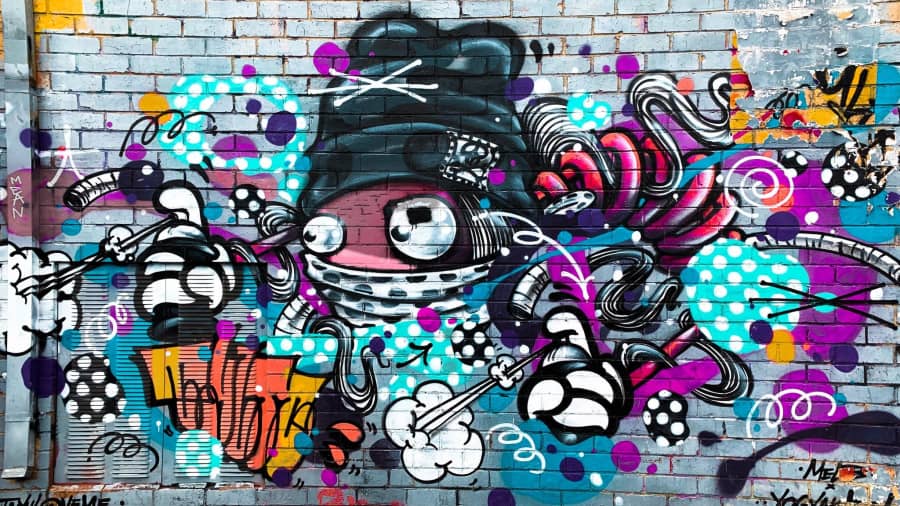
What is street art?

An overview | AntiGraffiti.com

Street art is a dynamic and ever-evolving form of artistic expression that is prevalent in the urban landscape, and which is transforming cities into open-air galleries. It’s a captivating blend of visual creativity, social commentary, and rebellious spirit that challenges traditional notions of art and its accessibility. It is often also part and parcel of a planned and commissioned effort by municipalities to make urban environments more interesting and pleasurable to the eye. From sprawling murals that breathe life into forgotten walls to subtle stencils that whisper hidden messages, street art injects color, thought, and controversy into the mundane.

Street art description, Definition and History

What is street art? Defining street art can be tricky. It’s a constantly evolving form that defies easy description and categorization. Generally, it’s understood to be art created in public spaces (not to be confused with public art), often unsanctioned, that exists outside the traditional confines of galleries and museums. While some argue that its often-illegal nature is a defining characteristic, others focus on its intent to engage the public and generate dialogue.

Contents

Picture of Ko van den Boom

Ko van den Boom

Editor of specialistic perspective on maintaining, preventing and cleaning public, comercial and private property walls.

Related articles

tony-liao-aU7ASS_NVPs-unsplash (1)
Types of Street Art: A Comprehensive GuideTypes of Street Art
graffiti shadow (2)
What are graffiti shadows and how they differ from regular graffiti
imagew
What is graffiti: explaining the basics | Anti Graffiti

Related articles

tony-liao-aU7ASS_NVPs-unsplash (1)
Types of Street Art: A Comprehensive GuideTypes of Street Art
graffiti shadow (2)
What are graffiti shadows and how they differ from regular graffiti
imagew
What is graffiti: explaining the basics | Anti Graffiti

When did street art start?

The roots of street art can be traced back to ancient forms of public expression like cave paintings and other more primal drawings. However, its modern incarnation emerged in the mid-20th century,
intertwined with the rise of graffiti culture. In the 1960s and 70s, cities like New York and Philadelphia became hotbeds for graffiti writers who tagged their names and elaborate designs on subway cars and city walls. This movement, fuelled by a desire for recognition and self-expression, laid the groundwork for the diverse street art scene we see today.

Street art evolved

Over time, street art evolved beyond simple tagging. Artists began to experiment with different techniques and styles, incorporating stencils, posters, mosaics, and installations into their repertoire.
This shift was accompanied by a growing focus on social and political commentary, with artists using their work to address issues like poverty, inequality, and war. The rise of iconic figures like Jean-Michel Basquiat further blurred the lines between street art and fine art, challenging the art world’s established hierarchy.

Basic Types of Street Art

The beauty of street art lies in its diversity. Artists utilize a wide range of techniques and mediums to bring their visions to life below is a list of some of them:
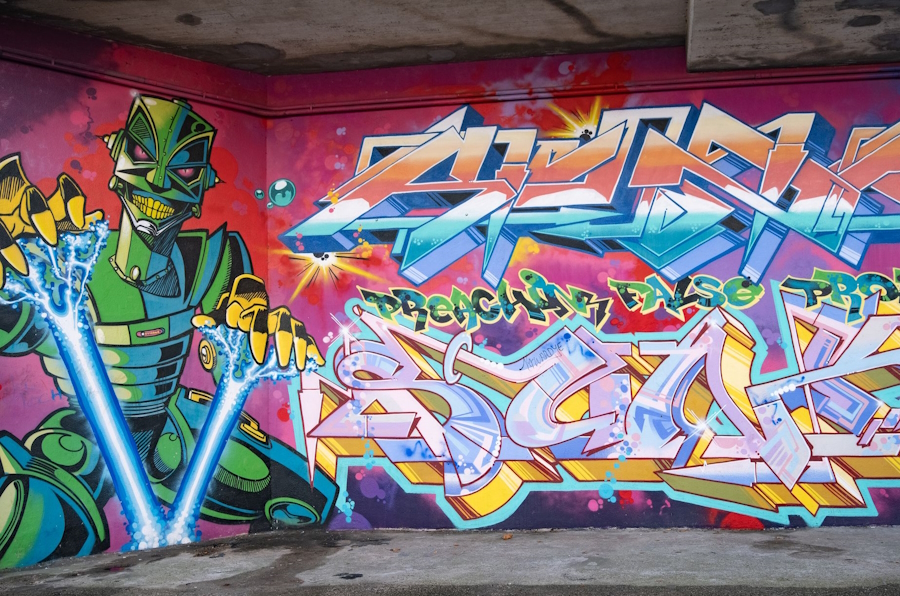
 Murals: Often large-scale and breathtaking in scope, murals transform blank walls into captivating canvases. Artists like Eduardo Kobra, known for his photorealistic murals, and ROA, with his signature animal depictions, demonstrate the incredible skill and artistry within this form. 

  • Graffiti:
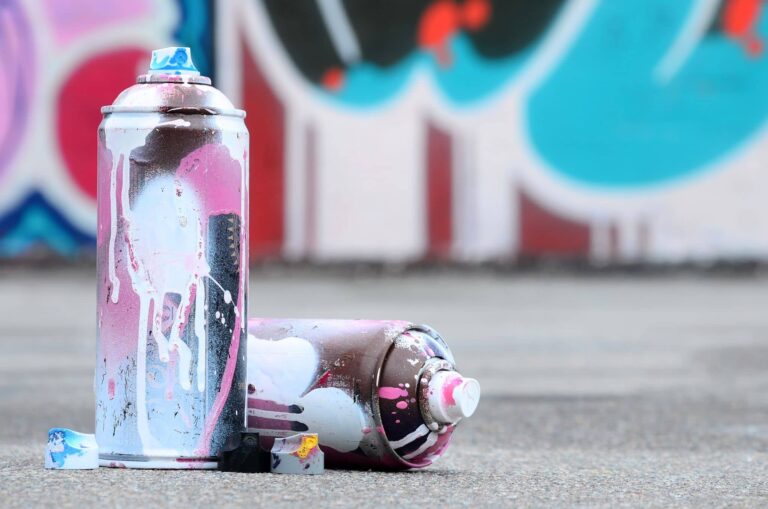
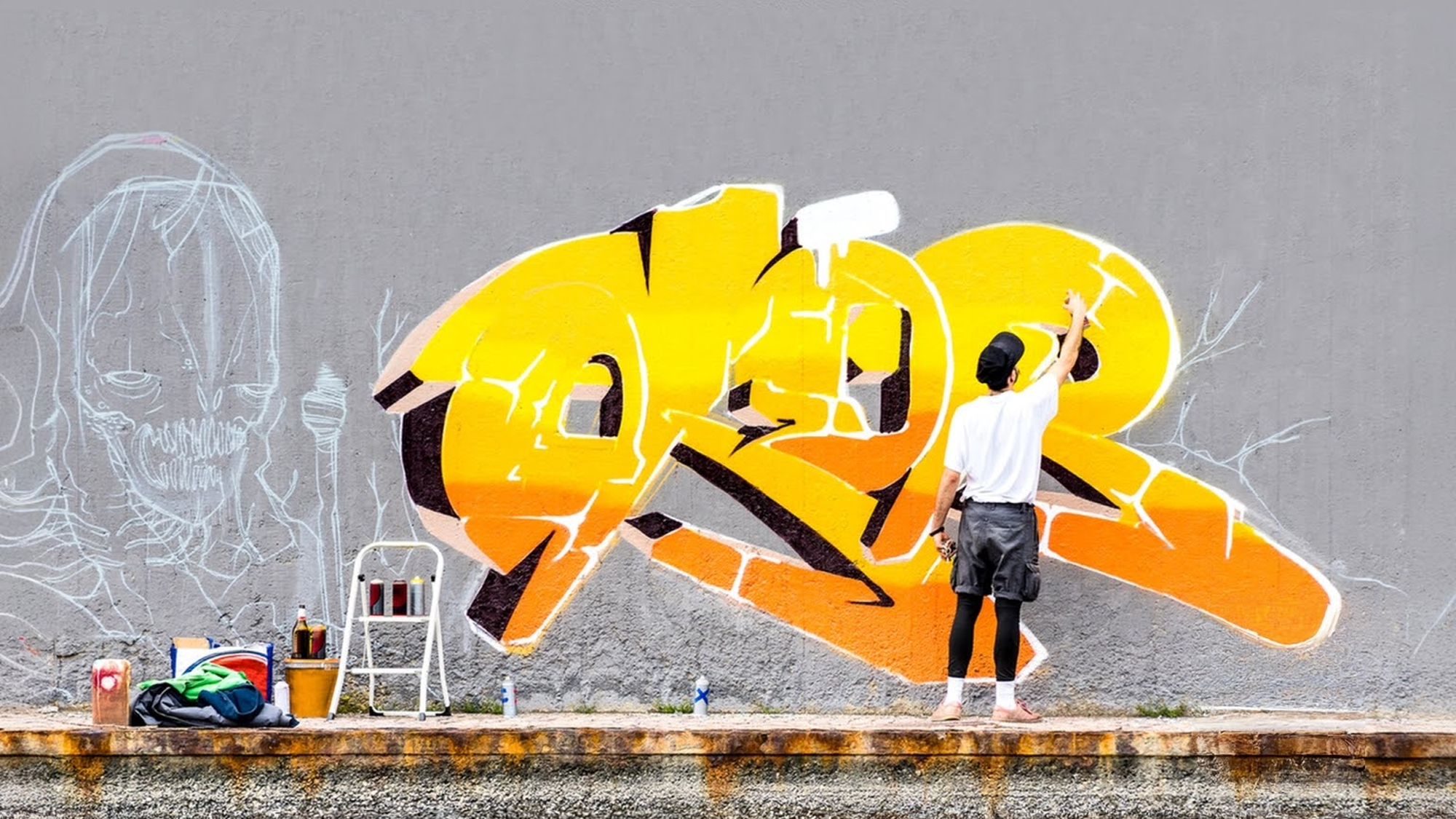
    While sometimes considered a separate entity, it remains a significant influence on street art. From intricate wildstyle lettering to colorful throw-ups and tags, graffiti artists continue to push the boundaries of style and technique.

  • Stencils:
    This technique involves cutting designs into stencils and spray-painting them onto surfaces, allowing for quick and repeatable application. Banksy’s iconic works, often imbued with social commentary, exemplify the power of stencils to convey powerful messages.

  • Wheatpasting:
    This involves pasting posters or images created on paper onto walls and other surfaces. It’s a popular method for disseminating political messages and creating temporary installations.

  • Sticker Art:
    Small and easily produced, stickers are a ubiquitous form of street art. They can range from simple tags and logos to intricate designs and political statements.

  • Installations:
    These three-dimensional works often interact with their environment, adding an element of surprise and interactivity to the urban landscape. Artists like Mark Jenkins, known for his realistic human sculptures, create thought-provoking installations that challenge perceptions.

The relationship and differences between street art and graffiti


The relationship between street art and graffiti is complex and often debated. While both forms share a common origin in public space, they are often distinguished by their intent and reception:

  • graffiti is associated with vandalism more often
  • street art tends to be understood as legal urban art.

Graffiti, with its emphasis on lettering and tagging, is often seen as a form of self-expression and territorial marking. It can be viewed as vandalism, particularly when done without permission.
However, graffiti also has a rich history and culture, with its own set of stylistic conventions and artistic merit.

Street art, on the other hand, is often seen as a more deliberate and considered art form. It encompasses a wider range of styles and techniques and is more likely to incorporate social and political commentary. While some of it is still created illegally, there is a growing trend towards commissioned murals and legalised drawing and painting on walls, further blurring the lines between street art and public art.

Ultimately, the distinction between street art and graffiti is not always clear-cut. Many artists move between the two forms, and the boundaries continue to shift and evolve.

Famous Street Artists

While the beauty of this for of art lies in its accessibility and anonymity, some artists have risen to international acclaim. Their names became synonymous with the movement:

  • Banksy: This enigmatic British artist is arguably the most famous street artist in the world. His satirical stencils and subversive installations often tackle political and social issues, sparking debate and capturing the public imagination.
  • Shepard Fairey: Known for his iconic “Hope” poster of Barack Obama, Fairey’s bold graphic style and political messages have become a staple of contemporary street art.
  • JR: This French artist uses large-scale photographic installations to draw attention to social issues and marginalized communities. His work often features portraits of ordinary people pasted onto buildings and other public spaces.


Social and Political Commentary in Street Art

Street art has a long history of engaging with social and political issues. From the early days of graffiti, artists have used their work to express dissent, challenge authority, and raise awareness about social injustice.

From the civil right movement to climate change

During the Civil Rights Movement, murals and graffiti became powerful tools for communicating messages of equality and resistance. In the 1980s, street art was used to raise awareness about the AIDS crisis and challenge government inaction. Today, street artists continue to address a wide range of issues, including climate change, immigration, and police brutality.

Bringing art to the people

Street art’s ability to reach a broad audience makes it a particularly effective platform for social and political commentary. It bypasses traditional gatekeepers like museums and galleries, bringing art directly to the people. By injecting political messages into the everyday urban landscape, street art can spark conversations, challenge perspectives, and inspire action.

The Legal Aspects of Street Art

The legal status of street art is a complex and often contentious issue. In many jurisdictions, unsanctioned street art is considered vandalism and punishable by fines or even imprisonment. However, there is a growing recognition of street art’s artistic and cultural value, leading to shifts in legal frameworks and enforcement.

Painting the city scape

Some cities have embraced street art, designating legal walls and providing permits for murals. This approach can help to channel creativity while mitigating concerns about vandalism. However, the legalization of street art also raises concerns about co-option and the loss of its rebellious spirit.
The debate over the legal status of street art reflects broader tensions between public and private space, freedom of expression, and the role of art in society. As street art continues to evolve and gain mainstream acceptance, these legal and ethical considerations will remain central to its development.


Street Art and Community

Street art has the power to transform communities, injecting vibrancy into neglected spaces and fostering a sense of place. Murals can beautify neighborhoods, deter vandalism, and create landmarks that residents can take pride in.


Beyond aesthetics

Art that stems form the streets, so to speak, can also play a role in community development and social cohesion. Community-based murals can bring people together, providing opportunities for collaboration and creative expression. Street festivals and events can attract visitors and boost local economies.


The positive impact of art

Studies have shown that street art can have a positive impact on mental health and well-being. Exposure to art in public spaces can reduce stress, promote social interaction, and foster a sense of belonging.

Street Art Tourism

The rise of street art has spawned a new form of tourism, with travelers seeking out urban art hotspots and immersive experiences. Cities like Berlin, London, and Melbourne have become renowned for their vibrant street art scenes, attracting visitors from around the world.
Street art tours offer a unique way to explore a city, providing insights into local culture and history while showcasing the work of talented artists. Street art festivals and events provide opportunities to witness the creation of new works and engage with the artists themselves.
While street art tourism can bring economic benefits to communities, it also raises concerns about gentrification and the commodification of art. It’s important to ensure that tourism benefits local residents and artists and that the integrity of the art form is preserved.

Street Art and Commercialization

As street art has gained mainstream acceptance, it has also become increasingly commercialized.
Artists are now being commissioned to create murals for businesses, brands, and even government agencies. Street art is also being featured in galleries and museums, fetching high prices at auction.

The pros and cons

This commercialization has sparked debate within the street art community. Some artists see it as a way to reach a wider audience and earn a living from their work. Others criticize it as selling out, arguing that it undermines the rebellious spirit and anti-establishment ethos of street art.

The tension between street art’s underground roots and its growing commercial appeal is likely to continue. As the art form evolves, it will be important to find ways to balance commercial opportunities with the preservation of its core values.

The Future of Street Art

Predicting the future direction/s of street art with certainty is an impossible task. It’s a constantly evolving form that defies easy categorization and prediction. However, some trends suggest possible directions for the future:

  • Technology:
    Augmented reality (AR) and virtual reality (VR) are opening up new possibilities for street art, allowing artists to create interactive and immersive experiences. Digital projection mapping is transforming buildings into dynamic canvases, blurring the lines between physical and digital art.

  • Social Engagement:
    Street art is likely to continue playing a vital role in social and political
    activism, providing a platform for marginalized voices and challenging the status quo.

  • Sustainability: As awareness of environmental issues grows, street artists are increasingly incorporating sustainable practices and materials into their work. Murals created with eco-friendly paints and installations made from recycled materials are becoming more common.

Preservation of Street Art

Keeping track of the works of art

Street art, by its very nature, is ephemeral, it tends to decay. Works are exposed to the elements, vandalism, and urban development, making their preservation a challenge. However, there is a growing movement to document and protect street art, recognizing its cultural and historical significance.

Organizations like Google Street Art Project are creating online archives of street art from around the world, using Google Street View technology to capture and preserve these fleeting works. Museums and galleries are also beginning to acquire and exhibit street art, recognizing its artistic merit and cultural significance.


Protective coatings: Providing actual protection for street art

An important aspect of street art protection is making sure that (especially commissioned street art) remains preserved and protected as much time as possible. Yes, it is an ephemeral form of art, but we can prolong its existence for a significant amount of time if we use the right products. Protective coatings play a significant role in street art protection, because the protect it from it’s main 2 menaces: vandalism and the elements. Companies like Mavro International produce heavy duty protective coatings that can make street art last decades more than it would without protection.

Conclusion

Street art is more than just paint on walls; it’s a vibrant expression of human creativity, a mirror reflecting society’s concerns and aspirations. It challenges, provokes, and inspires, transforming the urban landscape into a canvas for dialogue and dissent. As street art continues to evolve, it will undoubtedly continue to play a vital role in shaping our cities and our culture. We should embrace it and protect it when it is not invasive and illegal and also protect it against vandalism and the weather.

reliable services & know -how
Contact us today
to learn more about adding

products & solutions to your product lineup

Sharing is caring
LinkedIn

Related articles from this category

tony-liao-aU7ASS_NVPs-unsplash (1)
Types of Street Art: A Comprehensive GuideTypes of Street Art
An comprehensive overview of the most prominent styles of street art in the western world.
imagew
What is graffiti: explaining the basics | Anti Graffiti
Read this blog post to get a general idea about What is graffiti. An introduction to the basic concepts & definitions....