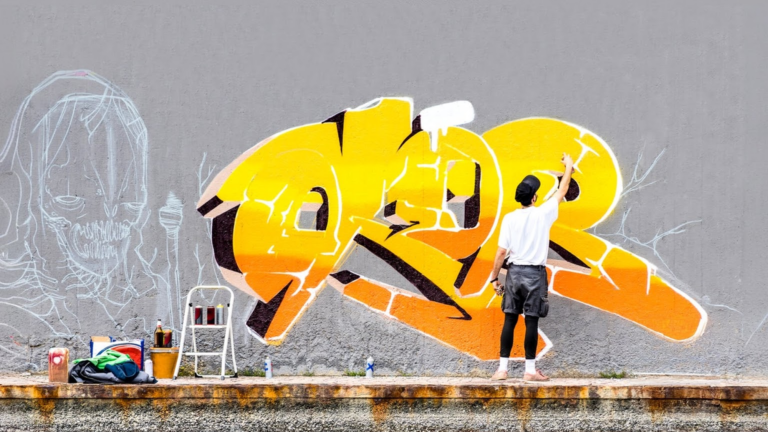
Graffiti is a form of visual communication that has evolved over decades, encompassing a wide range of styles and intentions. It can be seen as both an art form, a method of expression and a form of vandalism that often reflects the social and political climate of the time. This blog post aims to provide a comprehensive overview of graffiti, its definitions, types, cultural significance, and the ongoing debates surrounding it.
Contents
Blog Admin
Editor of broad perspective on maintaining, preventing and cleaning public, comercial and private property walls.
While graffiti typically refers to unauthorized markings, murals are large-scale artworks that are often commissioned or permitted by property owners. The distinction lies primarily in the legality and intent behind the artwork: graffiti is often seen as vandalism, while murals are regarded as legitimate art forms.
Origins of Graffiti
To better understand what is graffiti we have to look at its origins. The concept of graffiti dates back to ancient civilizations, where early forms included cave paintings and inscriptions on walls. However, modern graffiti emerged in urban settings during the late 1960s and early 1970s, particularly in New York City. This period marked the rise of tagging and street art as a means for individuals to assert their identity and communicate their messages publicly. The evolution of graffiti started with graffiti tags.
What is a Graffiti Tag?
A graffiti tag is a stylized signature or pseudonym used by graffiti artists to identify themselves. Typically consisting of a few letters, tags are created quickly with spray paint or markers, making them one of the simplest forms of graffiti. The primary purpose of a tag is to mark territory and gain visibility within the graffiti community.Tags serve as a means of self-expression and identity for artists. As more individuals began tagging, unique styles emerged, leading to the development of more complex graffiti forms. This practice established a culture centered around visibility and competition, which continues to influence modern graffiti today.
Types of Graffiti:
Basics
Graffiti can be categorized in various ways, but usually we make distinctions based on style and purpose:
1. Most commongraphic styles of graffiti
Tags: Simple signatures that represent the artist’s name.
Throw-ups: Quick, bubble-lettered pieces that prioritize speed.
Pieces: More elaborate works that showcase artistic skill and creativity.
Wildstyle: A complex form characterized by intricate lettering and designs.
These are just some of the graphic forms and styles of graffiti which we will present in greater detail in a separate blog post about types of graffiti.
2. Graffiti types by purpose
Vandal graffiti: Often illegal and intended to deface property without permission.
Allowed graffiti: Includes murals and commissioned works that are sanctioned by property owners or local authorities.
These two phenomena are accompanied by two important activities carried out by municipalities: Graffiti removal and graffiti art or street art preservation.
Vandalism in Graffiti Making
The act of creating graffiti is frequently associated with vandalism. Many artists engage in illegal tagging or painting on public property without consent. This aspect raises significant legal and ethical questions about ownership, public space, and artistic expression. The debate surrounding graffiti often centers on whether it should be viewed as art or vandalism, leading to discussions about community standards and urban aesthetics
Subculture Aspects of Graffiti
Graffiti is deeply intertwined with various subcultures, particularly within urban environments. It serves as a form of self-expression for marginalized groups and youth who may feel disconnected from mainstream culture. The graffiti subculture encompasses not only artists but also writers, photographers, and enthusiasts who share techniques, styles, and philosophies.This community aspect fosters collaboration among artists through crews—groups that work together to create larger pieces or organize events. Moreover, graffiti has become an integral part of hip-hop culture alongside rap music, breakdancing, and DJing.
The Concept of StreetArt
Streetart is often discussed alongside graffiti but represents a distinct evolution within the realm of public art. While graffiti focuses primarily on name-based tags aimed at gaining respect among fellow artists, streetart encompasses a broader range of visual expressions intended for public appreciation.
Key Differences Between Graffiti and StreetArt
Intent: Graffititypicallyaims to promote the artist’s name or tag within a closed community, whereas graffiti (or street) art seeks to engage a wider audience with its imagery or messages.
Legality: This type of art is often created with permission from property owners or local authorities, contrasting with the illegal nature of most graffiti.
Artistic Approach: mural artists frequently use images, illustrations, or symbols to convey messages that resonate with the general public rather than focusing solely on theiridentity as artists.
This phenomenon gained recognition as a legitimate form of artistic expression over recent decades. Influential figures like Banksy have helped elevate street art into mainstream consciousness by addressing social issues through their work. This evolution reflects changing attitudes toward public art and its role in urban environments. At the end of the day in the context of determining the differences between what is a graffiti, what is a piece of urban artistry, and what is considered vandalism, the intent and the place of its creation play a significant role.
What is Graffiti Removal and Protection
Basics
As cities grapple with the presence of graffiti, two main aspects come into play: removal and protection.
Graffiti Removal: Municipalities often invest in cleaning efforts to remove unauthorized graffiti from public spaces. This process can involve chemical treatments or pressure washing techniques aimed at restoring surfaces to their original state.
Graffiti Protection: To combat vandalism while still allowing for artistic expression, many cities have implemented anti-graffiti coatings on buildings or designated specific areas for legal graffiti and other forms of art. These measures aim to strike a balance between maintaining public order and fostering creativity.
Interesting Additional Subjects Related to the topic of graffiti
Graffiti has sparked numerous discussions within contemporary society:
Social Commentary: Many graffiti artists use their work to comment on political issues or social injustices. For instance, during movements like Black Lives Matter or the Arab Spring, street art became a powerful medium for protest.
Commercialization of Graffiti: As the art aspect of graffiti gains popularity, some artists have transitioned into the commercial art world. This shift raises questions about authenticity and the commodification of what began as an underground movement.
Technological Innovations: Modern graffiti has seen the incorporation of technology through digital tools and techniques such as projection mapping or augmented reality installations.
Conclusion about the subject of
what is graffiti
In conclusion, graffiti is a complex cultural phenomenon that encompasses various forms of expression—ranging from vandalism to celebrated art. Its roots in social movements and subcultures highlight its significance beyond mere aesthetics. As cities continue to navigate the challenges posed by graffiti, ongoing discussions about its role in society will likely persist. One thing is sure: vandal graffiti is a big problem for municipalities all across the developed world and efficient (undesired) graffiti prevention and art preservation plays an important role in communities that strive to better the quality of living by making their environment – especially urban environments – more citizen friendly.